Top Tips for Choosing Machine Knives and Blades for CNC Machines
Top Tips for Choosing Machine Knives and Blades for CNC Machines
When it comes to CNC machining, choosing the right machine knives and blades is like selecting the perfect tool for a master craftsman. The success of your machining operations hinges on making informed decisions about these essential components. Whether you’re a seasoned machinist or new to the field, understanding how to select the best knives and blades will ensure precision, efficiency, and durability in your work. Let’s dive into this comprehensive guide to help you navigate the complexities of choosing the right cutting tools for your CNC machines.
1. Understanding Machine Knives and Blades
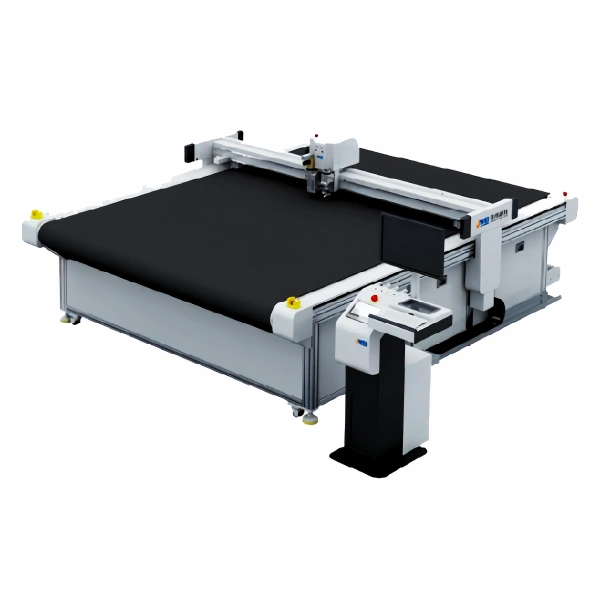
Imagine machine knives and blades as the unsung heroes of your CNC machine. They’re not just tools; they’re the driving force behind your production quality. Here’s a brief overview to get us started:
- Carbide Inserts: Think of these as the high-performance athletes of cutting tools. They’re known for their toughness and longevity. Carbide inserts excel in high-speed cutting and can handle tough materials like metals and composites. Their ability to retain a sharp edge for extended periods makes them a favorite among machinists.
- High-Speed Steel (HSS) Blades: HSS blades are like the reliable workhorses of the tool world. They’re versatile and can handle a variety of materials with ease. While they may not last as long as carbide inserts, they’re often more cost-effective and suitable for general-purpose machining.
- Ceramic and CBN Inserts: For those tough, high-hardness materials, ceramic and CBN inserts are your go-to. These materials offer exceptional hardness and wear resistance, making them perfect for high-speed and heavy-duty applications. They’re like the specialized tools in a craftsman’s kit—designed for specific challenges.
2. Material Considerations
Selecting the right blade material is akin to choosing the right paintbrush for a masterpiece. Here’s how to ensure you’re picking the best option for your needs:
- Material Compatibility: Consider the material you’re machining. For metals, carbide and CBN inserts are often preferred due to their durability. For softer materials like plastics or wood, HSS blades might be more appropriate. It’s all about matching the blade to the material to achieve the best performance.
- Wear Resistance and Durability: Just like a well-made pair of shoes, the right blade should be durable and withstand wear and tear. Factors like cutting speed, feed rate, and material hardness play a crucial role. If your blade wears out too quickly, it can lead to frequent replacements and increased downtime.
3. Blade Geometry and Design
Blade geometry is where precision meets performance. It’s like customizing a tool to fit your exact needs. Here’s what to consider:
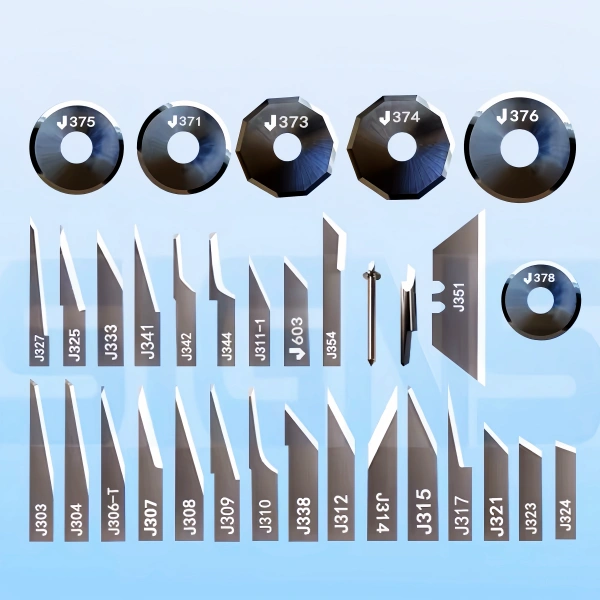
- Cutting Edges: Different cutting edges serve different purposes. Straight edges are ideal for clean, precise cuts, while serrated or curved edges can handle more complex tasks. The geometry of the blade affects how it interacts with the material, so choose based on the type of cut you need.
- Chip Removal and Cooling: Efficient chip removal and cooling are vital for maintaining blade performance. Blades designed with proper chip evacuation channels prevent clogging and overheating, ensuring a smoother cutting process. Cooling systems, such as through-tool cooling or external sprays, work hand-in-hand with blade design to maintain optimal cutting conditions.
4. Application-Specific Considerations
Every machining task is unique, and your blade should be tailored to meet those specific needs. Here’s how to approach different applications:
- Precision Machining: For tasks requiring tight tolerances and fine finishes, precision blades are essential. These blades are designed to deliver high accuracy and a smooth surface finish, making them ideal for intricate work.
- Heavy-Duty Applications: If your machining involves high-impact or heavy-duty operations, you need robust blades that can handle the stress. Heavy-duty blades are built to withstand intense conditions and maintain performance under pressure.
- Specialized Tasks: Sometimes, you need a blade that’s just right for a unique job. Custom-designed knives and blades can provide the perfect solution for specialized tasks, offering tailored features and performance to meet specific requirements.
5. Performance Metrics
Evaluating performance metrics is like assessing a tool’s effectiveness in a real-world scenario. Here’s what to keep in mind:
- Cutting Speed and Feed Rate: These parameters are critical for achieving optimal results. Ensure that your chosen blade matches the recommended cutting speed and feed rate for the material you’re working with. Proper settings will enhance efficiency and prolong the blade’s lifespan.
- Surface Finish Quality: The quality of the surface finish reflects the blade’s performance. A well-chosen blade will produce clean, smooth cuts with minimal post-processing required. Pay attention to how different blades affect the final appearance of your work.
- Cost-Effectiveness: While it’s tempting to go for the cheapest option, consider the overall value. A higher-quality blade may have a higher upfront cost but can save money in the long run by reducing maintenance and replacement needs. Evaluate the cost versus performance to make a smart investment.
6. Supplier Selection and Procurement
Finding a trustworthy supplier is like partnering with a skilled craftsman. Here’s how to ensure you’re making the right choice:
- Choosing a Reputable Supplier: Look for suppliers with a strong reputation and positive reviews. A reliable supplier will offer high-quality products and excellent customer service, ensuring you get the best value for your money.
- Bulk Purchasing: Buying in bulk can be cost-effective, but make sure you’re getting quality and value. Consider factors such as product consistency and support services when making bulk purchases.
7. Best Practices for Maintenance and Care
Taking care of your blades is like giving them regular tune-ups. Proper maintenance ensures they perform at their best for longer:
- Routine Maintenance: Regular cleaning and proper storage are essential for extending blade life. Avoid damaging the edges by using appropriate cleaning methods and storing blades in a safe, dry place.
- Sharpening and Replacing Blades: Knowing when to sharpen or replace blades is crucial. Look for signs such as dullness or decreased performance. Regularly assess the condition of your blades to ensure optimal cutting quality.
Conclusion
Selecting the right machine knives and blades for CNC machines is more than a technical task; it’s about enhancing your machining capabilities and achieving superior results. By understanding the types of blades, considering material compatibility, evaluating performance metrics, and choosing the right supplier, you can make informed decisions that will benefit your machining processes.
Remember, the perfect blade can make a world of difference in your operations. If you have any questions or need assistance in finding the right tools for your CNC machines, don’t hesitate to reach out. We’re here to help you achieve the best results and keep your machines running smoothly. Happy machining!