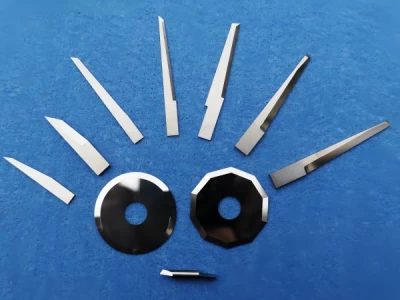
JINGWEI Flatbed Cutter Blade Replacement: A Comprehensive Guide to Precision and Performance
JINGWEI Flatbed Cutter Blade Replacement: A Comprehensive Guide to Precision and Performance
In the world of industrial cutting, precision and reliability are critical, and the quality of the blades you use can make a big difference. At JINGWEI, we understand that the performance of your flatbed cutter depends on the robustness and sharpness of the blade. As a leading carbide cutting tool manufacturer, we pride ourselves on providing blades that stand the test of time, ensuring that every cut is as precise and clean as the last.
The Heart of Cutting Precision: Understanding Your Blade Needs
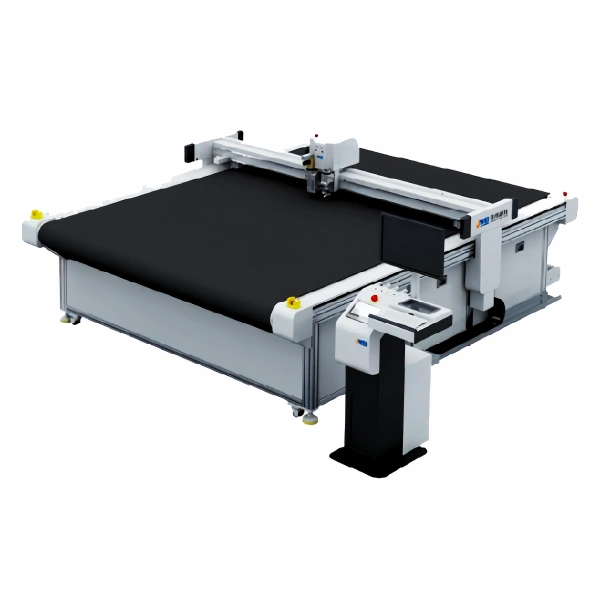
Think of your cutter as a finely tuned orchestra, with each component playing its part to achieve perfect performance. The blade is the master, handling the complexity of each cut with impeccable skill. In the world of flatbed cutters, blades must not only withstand rigorous use, but also precisely maintain their cutting edge. JINGWEI’s carbide blades are engineered to meet these demands, combining cutting-edge technology with meticulous engineering.
Why Carbide?
Carbide, particularly tungsten carbide, is known for its exceptional hardness and wear resistance. This makes it the material of choice for blades that need to maintain sharpness and performance under demanding conditions. Our carbide blades offer excellent edge retention, making them ideal for high-precision cutting tasks. With tungsten carbide blades, you’re not just investing in a tool; you’re investing in consistent quality and reliability.
Blade Replacement: When and Why
Even the best blades will eventually need to be replaced. Regularly replacing your blades is essential to maintaining optimal performance. A dull or damaged blade can lead to poor cut quality, increased machine wear, and even safety hazards. Knowing when and how to replace your blades can save you time and money in the long run.
Signs That They Need to Be Replaced:
Dull: If your blade is no longer providing a clean cut, it’s time to replace it. A dull blade can lead to a jagged edge and affect the overall quality of your work.
Chipped or cracked: Regularly inspect your blades for any visible damage. Chipped or cracked blades not only affect the quality of your cut, they can also pose a safety risk.
Increased vibration: If you notice excessive vibration during your cut, it could be a sign that your blade is worn and needs to be replaced.
Choosing the Right Blade
Choosing the right blade for your Warp & Weft flatbed cutter is essential. It’s not just about choosing the right blade; it’s about matching the blade’s specifications to your cutting needs.
Key Considerations:
Material Compatibility: Make sure the blade is appropriate for the material you are cutting. Different materials require different types of blades for best results.
Depth of Cut: Consider the maximum cutting depth of the blade. Our blades are designed to handle a wide range of depths, ensuring versatility and precision for your cutting tasks.
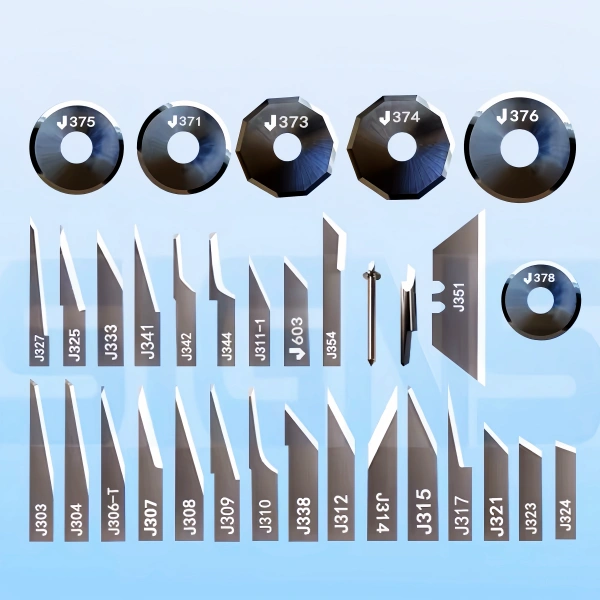
Blade Geometry: The shape and angle of the blade can affect cutting performance. For example, blades with specific cutting angles and bevels can significantly affect cut quality.
How to Change a Blade
Changing the blade in a flatbed cutter is a simple process, but it requires attention to detail to ensure optimal performance. Here is a step-by-step guide to help you through the process:
Safety First: Always turn off and unplug the machine before beginning any maintenance work. Safety should always be your top priority.
Remove the Old Blade: Carefully remove the old blade from the machine. Follow the manufacturer’s instructions for your specific model of cutter.
Install the New Blade: Align the new blade properly and secure it in place. Make sure the blade is properly installed and tightened to avoid any issues during operation.
Test the Machine: After changing the blade, make a few test cuts to ensure everything is working properly and the new blade is performing as expected.
Maintaining Blade Performance
Proper maintenance of your blade is essential to extending its life and keeping your cutting efficiency. Here are some tips to keep your blade in top condition:
Regular Cleaning: Keep your blade clean and free of debris and buildup. This helps maintain the blade’s sharpness and prevents potential problems during cutting.
Proper Storage: Store your blades in a dry, clean environment to prevent rust and damage. If available, use a blade cover to protect the blade edge.
Regular Inspection: Regularly inspect your blade for signs of wear or damage. Catching problems early can prevent more serious problems and extend the life of your blade.
Conclusion
At Jingwei, we believe that every cut should be a testament to precision and excellence. Our carbide blades are engineered for unmatched durability and performance, ensuring your flatbed cutter operates at its best.
Don’t let worn-out blades hold back your productivity and precision. Discover the exceptional quality and durability of Jingwei’s carbide blades today. Visit our website or contact our sales team to explore our full range of blades tailored to meet your cutting needs. Experience the difference that high-performance cutting tools can make in your operations. Reach out now to get
- Website:ruida-blades.com
- Phone: +86-18808248833
- Fax: +86-0755-89628877
- Email: info@ruida-blades.com